If you are planning a new paver patio, the details you choose can completely change how the space looks and feels. Borders can sharpen the layout. Colors can tie the patio into your home. Inlays can create a focal point. Patterns can make the whole area feel more structured, more relaxed, or more custom.
This guide walks through the design options Aloha Pavers & Concrete discusses most often during planning, so you can compare ideas with less guesswork and more confidence.
A well-designed patio is not just about the pavers themselves. It is about how the layout fits your yard, how the space will be used, and how the installation is planned from the ground up.
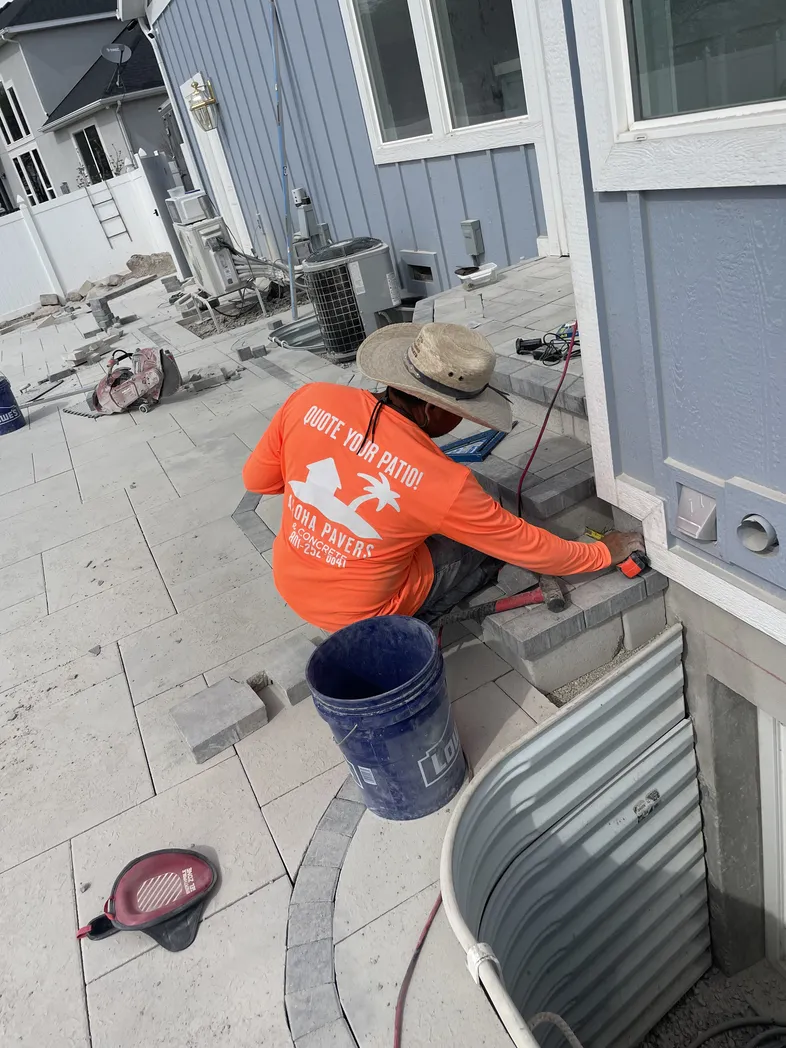
The visual design and the build plan should work together from the start.
A border may seem like a simple upgrade, but it affects cuts, edge definition, and how the patio transitions into steps, grass, or adjacent flatwork. A pattern that looks great in a catalog may feel too busy or too plain once it is scaled to your actual yard. Color also matters more than many homeowners expect, especially when the patio needs to work with siding, roof tones, stone accents, or nearby concrete.
Thoughtful installation starts before the first paver is set. It includes on-site review, layout decisions, and edge details.
Excavation planning, base prep, and drainage awareness shape the design early, especially for grade changes.
If you are comparing broader project types as well, Aloha Pavers & Concrete also offers paver installation services for patios, walkways, and driveways, along with broader hardscaping services.
Borders are one of the easiest ways to make a patio feel finished and intentional. Even a simple border can help the whole layout read more clearly.
Keeps the look clean and understated. Works well when you want a custom result without making the patio feel too busy.
Adds visual weight. Helps larger patios feel more grounded, especially near a home, pool, or retaining feature.
A darker or more noticeable border sharpens the edge and makes the main patio field stand out.
A helpful rule is this: the more open and visible the patio is, the more a border can help organize the space visually. Review custom paver patio installation services to see how these choices fit into the build process.
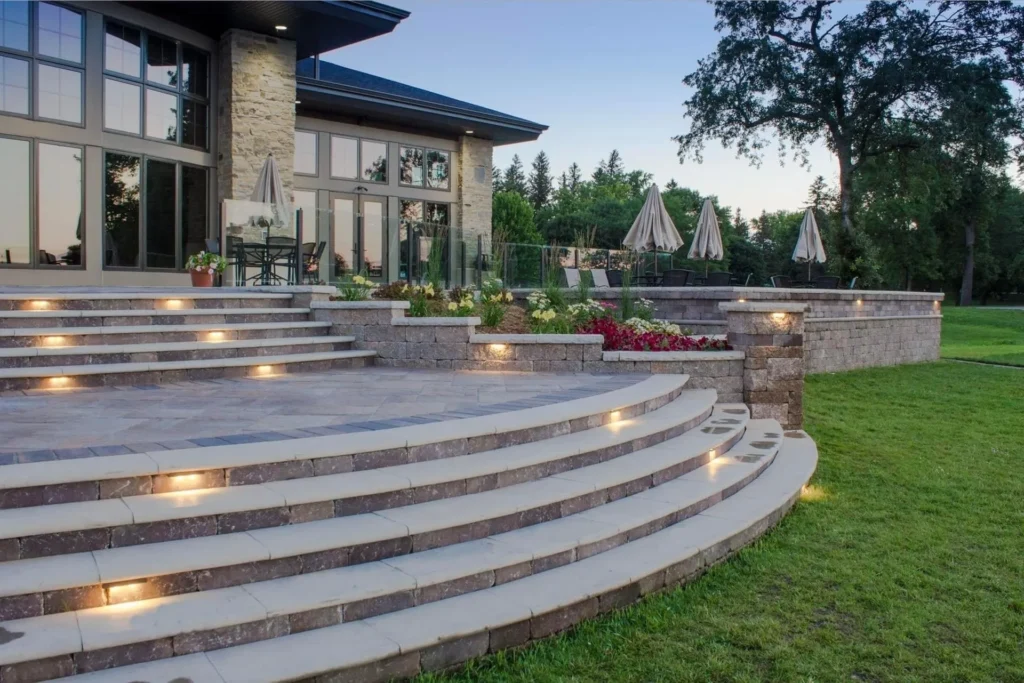
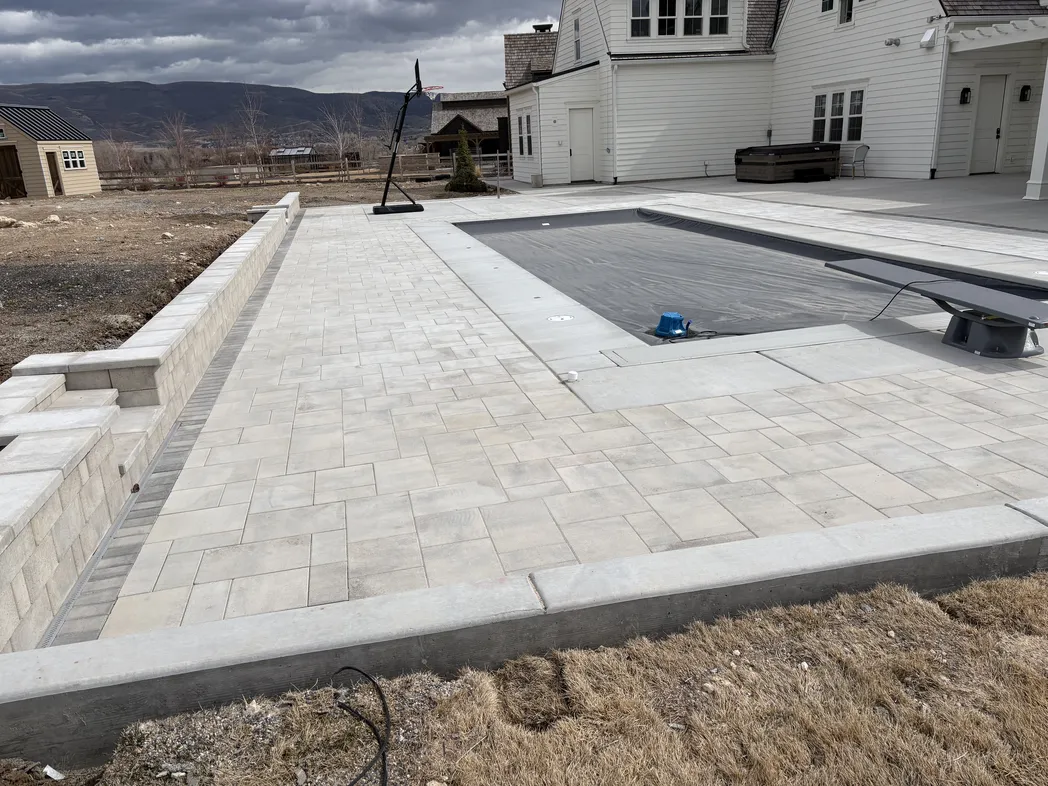
Color has a major impact on the final feel of a patio. It affects how bright the space looks in full sun, how it relates to the house, and whether the patio feels warm, crisp, natural, or more architectural.
Look at the siding, stucco, trim, roof, and any existing stone or concrete nearby. Your patio does not need to match exactly, but it should feel connected to the home.
Lighter pavers can look bright and open. Mid-tone blends often hide dust and day-to-day debris a bit more easily. Sun exposure also changes how colors read outdoors.
If you are comparing product lines, this related guide can help: compare Belgard, Techo Bloc, and Unilock paver brands.
Inlays are accent details built into the main field of the patio. They can be subtle or decorative, but the best inlays usually feel intentional, not crowded.
A well-placed inlay can break up a broad surface and create a focal point. The key is balance. If your project is part of a larger outdoor living plan, you can also explore custom fire pit installation.

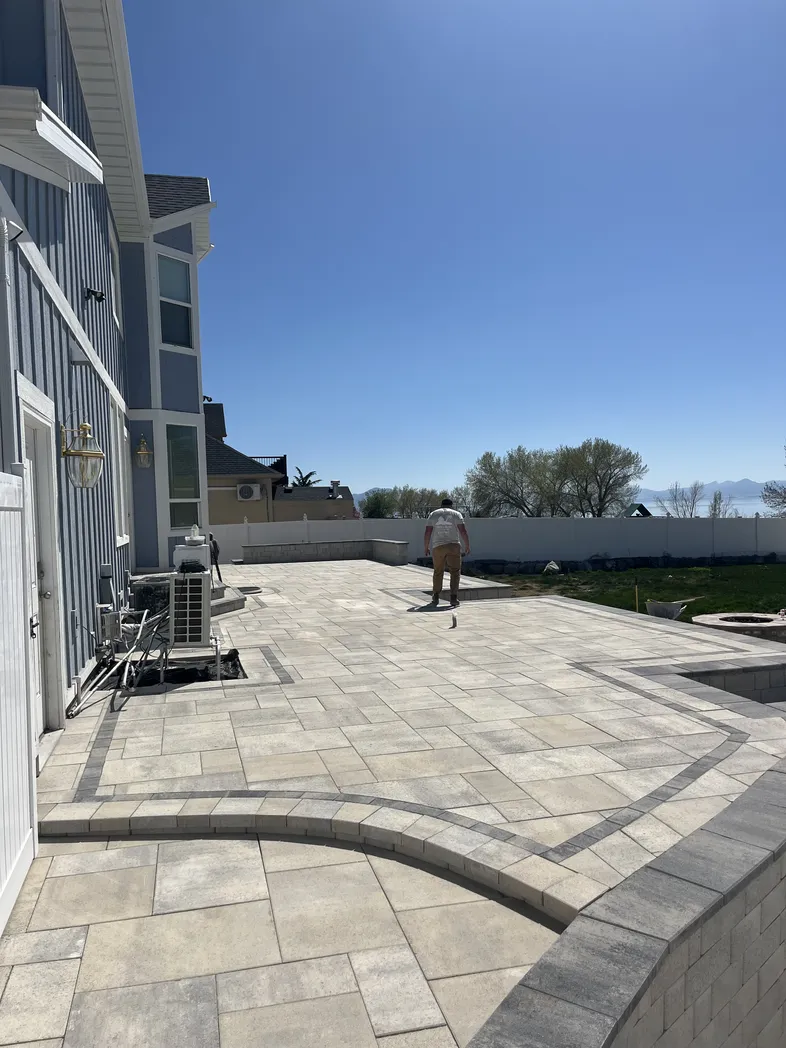
Pattern affects more than appearance. It changes rhythm, direction, and the overall personality of the patio. It influences whether the space feels formal or relaxed, how wide or long the space appears, and how the patio lines relate to steps and walls.
These usually feel cleaner and more structured. They often fit modern homes or spaces where you want sharper geometry.
These tend to feel softer and more casual. They can help large patios feel less repetitive and more natural.
The size of the patio matters too. A small patio can feel crowded if the surface rhythm is too busy. If you are still comparing layout possibilities, the broader paver installation services page gives more context.
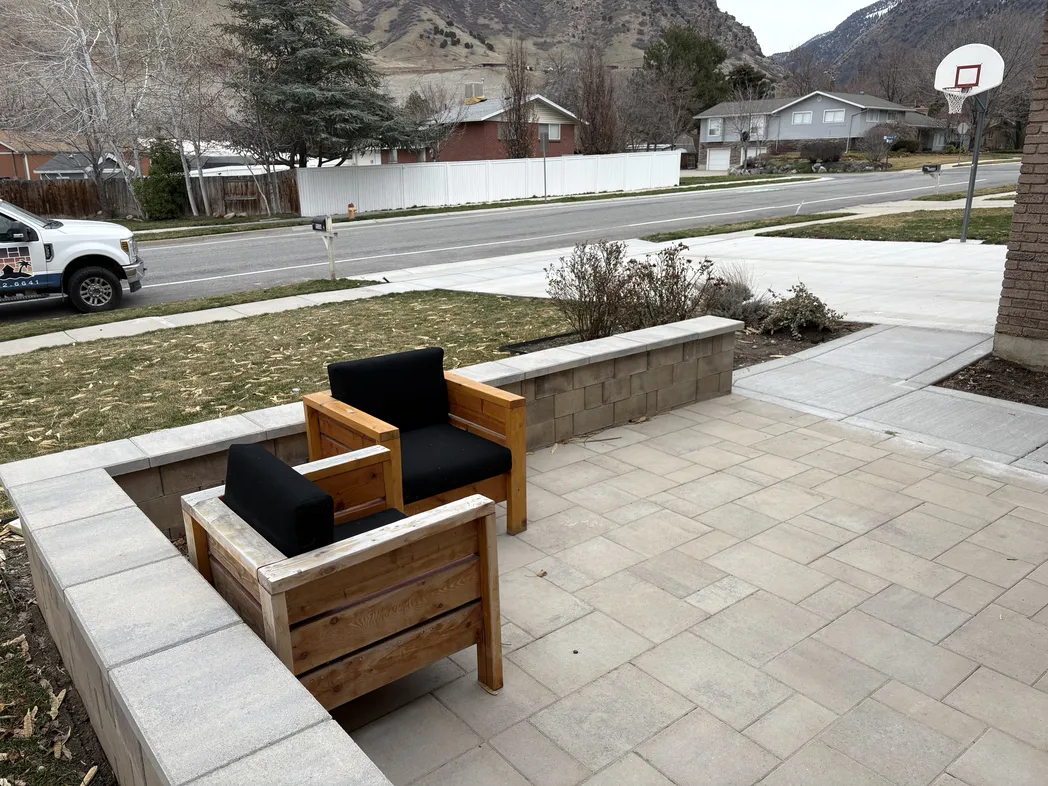
This is where contractor guidance matters. A well-planned project should include on-site review, samples and catalogs, detailed estimating, and practical discussion of excavation, compaction, edge restraint, and drainage. If you still have broader process questions, the hardscaping FAQ about estimates, financing, and service areas is a useful next stop.
You do not need every detail figured out before reaching out. A good consultation can help you narrow the look, compare samples, and decide where to invest in the design.
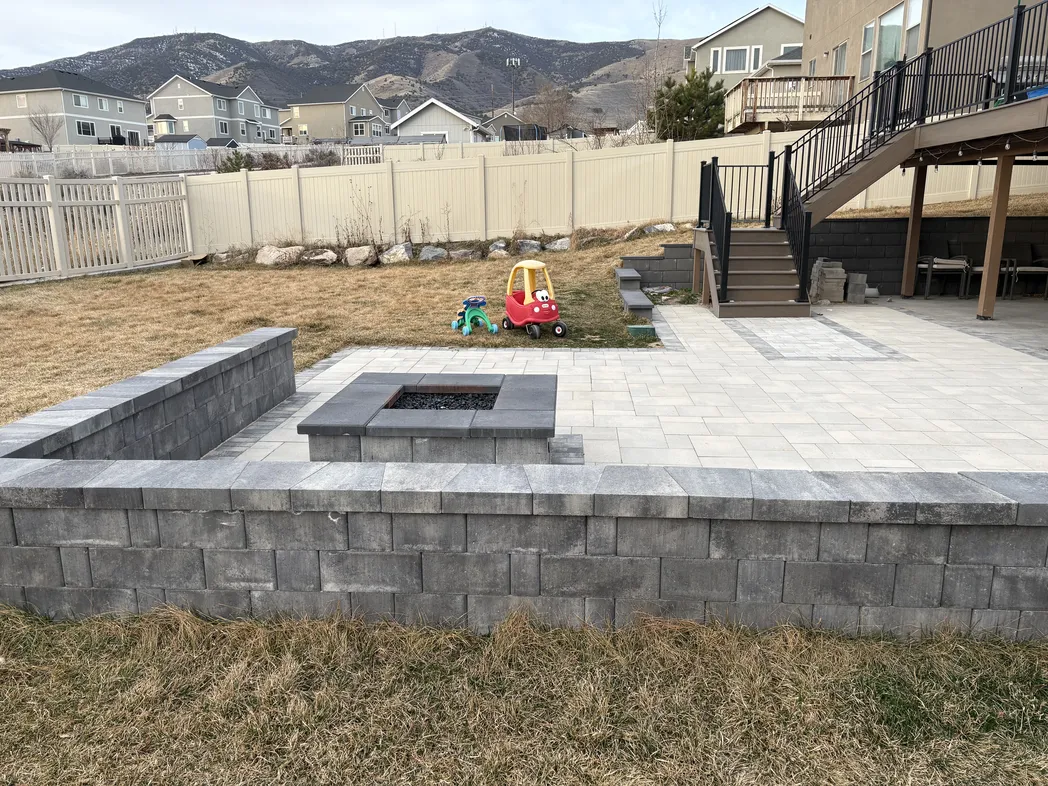
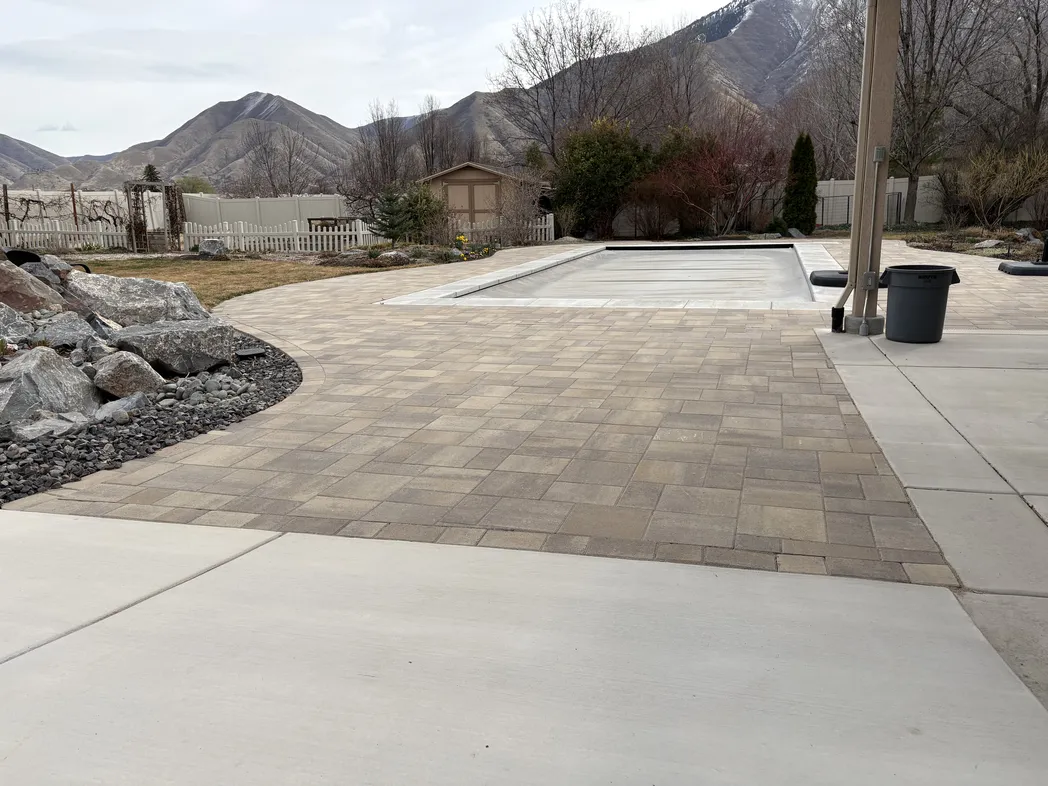
At Aloha Pavers & Concrete we help homeowners choose borders, colors, inlays, and patterns that fit their home, yard, and how they actually use the space. Our process includes on-site consultation, physical samples, detailed estimates, proper base preparation, smart drainage planning, and precision installation built to last.